
The Problem with Compostable Plastics
What’s the Story on “Compostable” Plastic Bags and Other Plant-Based “Compostable Plastic” Foodware?
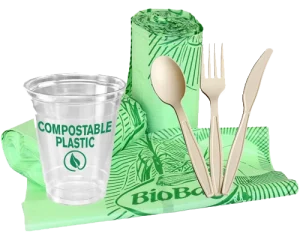
You’ve probably seen plastic looking forks, cups, bags, and clamshells labeled “compostable,” “biodegradable,” or “plant-based” and assumed they’re a better alternative to traditional plastic. That’s exactly the intent behind them, but here in Marin, “compostable” and plant-based plastics don’t belong in the green cart. Marin Sanitary Service sends all organics to WM EarthCare in Novato, a compost facility that creates compost suitable for use on organic farms.
Why This Matters
In California, recycling and composting aren’t optional — they’re required by state law. That law is designed to reduce pollution, cut methane emissions from landfills, and keep valuable organic resources in circulation.
For recycling to work, someone must buy the material after it’s processed. That’s a business transaction with fluctuating market prices — just like metals or fuel. Composting also has its own economic realities: unlike recycling, MSS pays a tipping fee to send organics to a facility (in our case, WM EarthCare) where the materials become compost.
Visit CalRecycle to learn more:
Facilities and OMRI Certification
The compost WM EarthCare makes from your food scraps, yard waste, and food-soiled paper is organic and certified for farming by the Organic Materials Review Institute (OMRI). This certification is important because it ensures the compost can be used on organic farms right here in Marin.
But WM EarthCare does not accept compostable or biodegradable plastics — even plant-based ones. Why? Because:
- Even small amounts of these plastics can threaten the facility’s organic certification.
- Many so-called “compostable” plastics don’t break down fully during industrial composting, or they degrade slowly and leave behind fragments that look just like regular plastics.
- Contamination can degrade the quality of finished compost and jeopardize its use for growing food.
Simple questions to think about:
- Would you want your organic food grown in compost with tiny plastic particles embedded in it?
- Would you want to eat anything grown in compost that contains plant-based plastics?
Fossil Fuel Plastics vs. Compostable Plastics:
No Perfect Solution
- Fossil Fuel-based Plastics
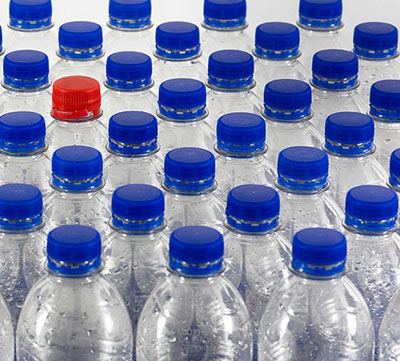
Fossil fuel-based plastics pollute throughout their lifecycle — from extraction to disposal — and persist in the environment.
- "Compostable" Plastics
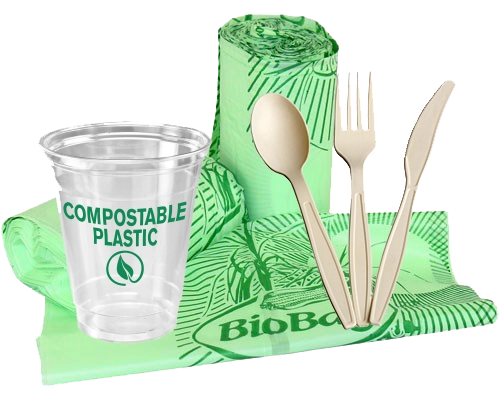
“Compostable” plastics shift the environmental burden to agriculture and specialized waste infrastructure, but they can still contaminate compost and recycling streams, may release greenhouse gases like methane in landfills, and often don’t break down in natural environments.
Let’s be real: neither conventional plastic nor compostable plastic is perfect.
If a material can’t be reused, recycled, or composted in your local system, then it’s basically just another item that ends up in the landfill — with its own set of environmental costs.
What Can You Do?
At MSS, our priority is helping you reduce waste first — that’s #1. Then reuse, recycle, and compost properly:
- Reduce reliance on packaging and single-use foodware
- Reuse plastics, glass, and fiber products as many times as possible
- Always compost real organics (food scraps, yard waste, food-soiled paper) in your own backyard compost pile or green cart
- Avoid “compostable” plastics and if unavoidable, put it in the garbage.
- An idea: ask if your leftovers from a restaurant can be put into aluminum foil which is infinitely recyclable!
If you’d like help sorting items or figuring out what goes where, use our Where Does It Go, Joe? tool, it’s the easiest way to make sure every item is headed to the right place!